






Your workout should leave you feeling energized, not dealing with irritated skin or uncomfortable breakouts. The secret lies in understanding activewear fabrics and how they interact with your body during movement. When you choose breathable workout fabrics, you're not just selecting comfortable clothing; you're actively protecting your skin's health.
This is why choosing the right women’s activewear collection plays a crucial role in both performance and skin health.
Understanding Fabric Breathability Science
Fabric breathability science revolves around a simple but crucial concept: your skin needs to breathe, especially during physical activity. Breathable workout fabrics allow air to circulate while moving moisture away from your skin's surface. Research from the Journal of the Textile Institute shows that activewear fabric types with higher moisture vapor transmission rates keep skin cooler and more comfortable during exercise.
Think of it like this: your skin releases about 500ml of sweat during a moderate workout. When activewear fabrics trap that moisture, you're creating the perfect environment for bacteria to thrive. Breathable fabrics prevent this by letting fresh air in and pushing dampness out.
Natural fibers contain tiny gaps between their threads that let air flow freely. Modern synthetic blends use engineered channels to achieve similar results. The difference shows in how each fabric handles sweat once it appears.
How Fabrics Affect Skin Health During Workouts
Understanding how fabrics affect skin health helps you make smarter choices for your workout wardrobe. Non-breathable materials create friction against damp skin, leading to chafing and irritation. That trapped moisture becomes a breeding ground for bacteria, potentially causing folliculitis, body acne, and fungal infections.
Women with sensitive skin or conditions like eczema notice symptoms worsen when wearing the wrong fabric types. The good news? Switching to skin-friendly fabric options often resolves these issues within weeks.
Breathable workout fabrics work by moving moisture away before problems develop. Quick-drying materials give bacteria less time to multiply, keeping your skin healthier and happier.
Which Fabric Is Safe for Skin: Comparing Your Options
Not all activewear fabrics perform equally when protecting your skin. Let's compare the most popular choices.
Modal: Silky Softness Meets Performance
Modal ranks among the most skin-friendly fabric choices for active women. Made from beech tree pulp, modal offers exceptional softness while breathing beautifully. Its smooth surface reduces friction during movement, making it perfect for high-rep exercises.
NeceSera's modal collection showcases premium modal that drapes elegantly while managing moisture efficiently. The fabric absorbs sweat and releases it quickly through evaporation, keeping you comfortable from warm-up to cool-down.
When shopping for everyday training staples, fitted tees in modal fabric strike the ideal balance between structure and softness. Unlike loose tops that bunch or shift during movement, a well-cut fitted tee stays in place while the fabric's natural breathability keeps skin comfortable through every set.
Cotton Lycra: Natural Comfort With Stretch
Cotton lycra blends combine breathability with freedom of movement. Pure cotton absorbs moisture well but dries slowly, while the lycra component adds quick-drying properties and shape retention. This makes cotton lycra one of the better activewear fabric types for women who want natural softness with performance benefits.
The natural cotton component stays gentle against skin, while Lycra ensures your clothes move with you through every squat and stretch.
Cotton workout tees remain a go-to choice for women who prioritize skin comfort during training. Cotton's natural breathability allows consistent airflow against the skin, reducing irritation even through longer sessions — making it one of the most reliable everyday essentials in any workout wardrobe.
Bamboo Terry: Eco-Conscious Skin Care
Bamboo terry fabric naturally resists odor-causing bacteria, which means fresher skin during and after workouts. Its hypoallergenic properties make it ideal for reactive skin types. NeceSera's bamboo terry pieces deliver moisture management alongside an incredibly soft touch that soothes rather than irritates.
Supima Cotton: Premium Breathability
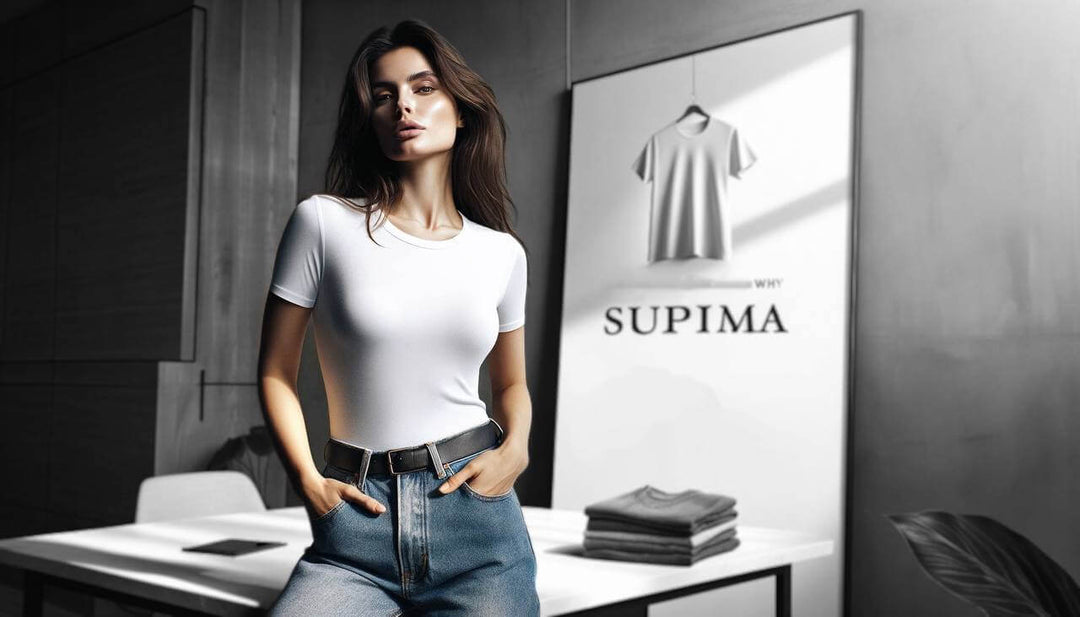
Supima cotton features extra-long fibers, creating a smoother surface than regular cotton. Fewer fiber ends mean less irritation potential, while natural breathability keeps air circulating. This premium option exemplifies which fabric is safe for skin when quality matters most.
Matching Skin-Friendly Fabric to Your Workout Style
Different activities benefit from specific activewear fabric types. High-intensity cardio demands maximum breathability and quick-drying capabilities. Yoga and stretching need softer, more flexible materials that won't restrict movement.
- For Cardio and HIIT: Choose moisture-wicking blends that dry quickly between intervals. Cotton lycra or performance modal keeps pace with your intensity while protecting skin from friction.
- For Yoga and Pilates: Softer, breathable workout fabrics like pure modal or bamboo terry allow a full range of motion without irritating the floor. NeceSera's yoga-friendly pieces prioritize comfort through every pose.
- For Strength Training: Look for structured yet breathable materials that maintain shape while allowing airflow. Cotton lycra blends offer the perfect balance of support and skin protection.
- For Outdoor Workouts: Select fabrics with natural properties that protect skin from both sweat and environmental factors. Bamboo and modal offer inherent benefits that keep skin healthier during longer sessions.
Recognizing When Activewear Fabrics Are Causing Problems
Your body signals when your current activewear fabric types aren't working. Persistent redness after workouts suggests friction from rough or non-breathable materials. Breakouts concentrated where clothes fit snugly often indicate trapped sweat and bacterial growth.
That lingering damp feeling even after cooling down? Clear sign of poor moisture management in your activewear fabrics. Noticing these symptoms means it's time to upgrade to more breathable workout fabrics designed with skin health in mind.
Caring for Your Skin-Friendly Activewear
Proper care maintains the breathability that makes these fabrics so beneficial. Wash workout clothes after each use to remove sweat, oils, and bacteria. Use gentle detergents without fabric softeners, which can clog the micro-channels enabling breathability.
Air drying preserves fabric integrity better than machine drying for most premium activewear fabric types. Store clean pieces in breathable spaces rather than sealed containers where residual moisture encourages bacterial growth.
Making the Switch to Better Activewear Fabrics
Upgrading to breathable workout fabrics transforms your exercise experience. You'll notice the difference immediately: less irritation, no more post-workout breakouts, and that fresh, comfortable feeling that lasts.
NeceSera's collections prioritize skin-friendly fabric choices across every category. From modal tees to bamboo terry sets, each piece reflects careful attention to both comfort and skin health. When you reject 50 fabrics for every one selected, you ensure only the best touches your skin.
Remember, your workout wear should support your wellness goals, not create new problems. Choosing the right activewear fabrics means investing in your skin's long-term health alongside your fitness journey.
FAQs
Q: Which fabric is safe for the skin during workouts?
Modal, bamboo terry, and high-quality cotton blends like cotton lycra rank among the safest breathable workout fabrics. These materials offer natural breathability, softness, and moisture management that actively protect skin during physical activity.
Q: Can activewear fabrics cause acne?
Yes, non-breathable activewear fabric types trap sweat and bacteria against skin, potentially causing body acne. Switching to breathable materials and washing clothes after each use prevents these breakouts.
Q: Is cotton or synthetic better for sensitive skin?
Natural fibers like cotton and bamboo typically cause less irritation for sensitive skin. However, cotton-synthetic blends offer improved moisture management while maintaining skin-friendly properties.
Q: How often should I replace workout clothes?
Replace activewear when fabrics lose stretch, feel rough, or retain odors despite washing. Well-maintained breathable workout fabrics typically last 6-12 months with regular use.
Q: Does fabric breathability affect body temperature?
Absolutely. Breathable workout fabrics allow heat to escape and fresh air to circulate, helping regulate body temperature. Non-breathable materials trap heat, forcing your body to work harder during exercise.

 Buttery-Soft Fabric
 For every body type
 Function-First Details
 Effortless All-Day Wear
 15 day return exchange
 Free Shipping
 Made with Planet in Mind
 Quick Delivery