Cotton vs Synthetic Activewear — Why Fabric Matters for Post-Monsoon Fitness
Once the monsoon clears and the air finally dries out, working out feels good again. But the leggings and tops that struggled through peak humidity might not be what your skin wants now. Post-monsoon is the perfect moment to rethink your activewear fabric, because the same synthetic pieces that wicked hard through the wet months can start to feel harsh and airless once the humidity drops. This guide breaks down cotton vs synthetic activewear in plain words, what each does best, and why soft cotton comes into its own for post-monsoon fitness.
Why Does Activewear Fabric Matter After Monsoon? Fabric decides how your workout feels, and post-monsoon changes the equation. During peak humidity, fast-wicking synthetics help move heavy sweat, but as the air dries, breathability and softness matter more than aggressive wicking. Your skin, often stressed by weeks of dampness, appreciates something gentler now. That is why soft, breathable activewear feels so good once the rains pass. Here is how the two fabric types compare.
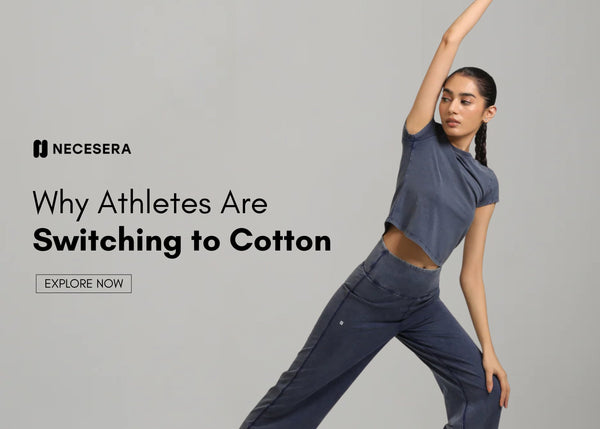
What Is Cotton Activewear Good For? Cotton activewear women reach for is soft, breathable, and gentle on the skin, which makes it a favourite for comfort-led workouts. It breathes naturally, feels light, and skips that plastic-against-skin sensation some synthetics have. For sensitive skin especially, that softness is a real relief.
Where Cotton Shines Cotton suits yoga, Pilates, walking, light strength work, and everyday athleisure, where comfort matters more than heavy sweat management. It also doubles as easy loungewear, moving from a workout to the rest of your day without a change.
Read More