




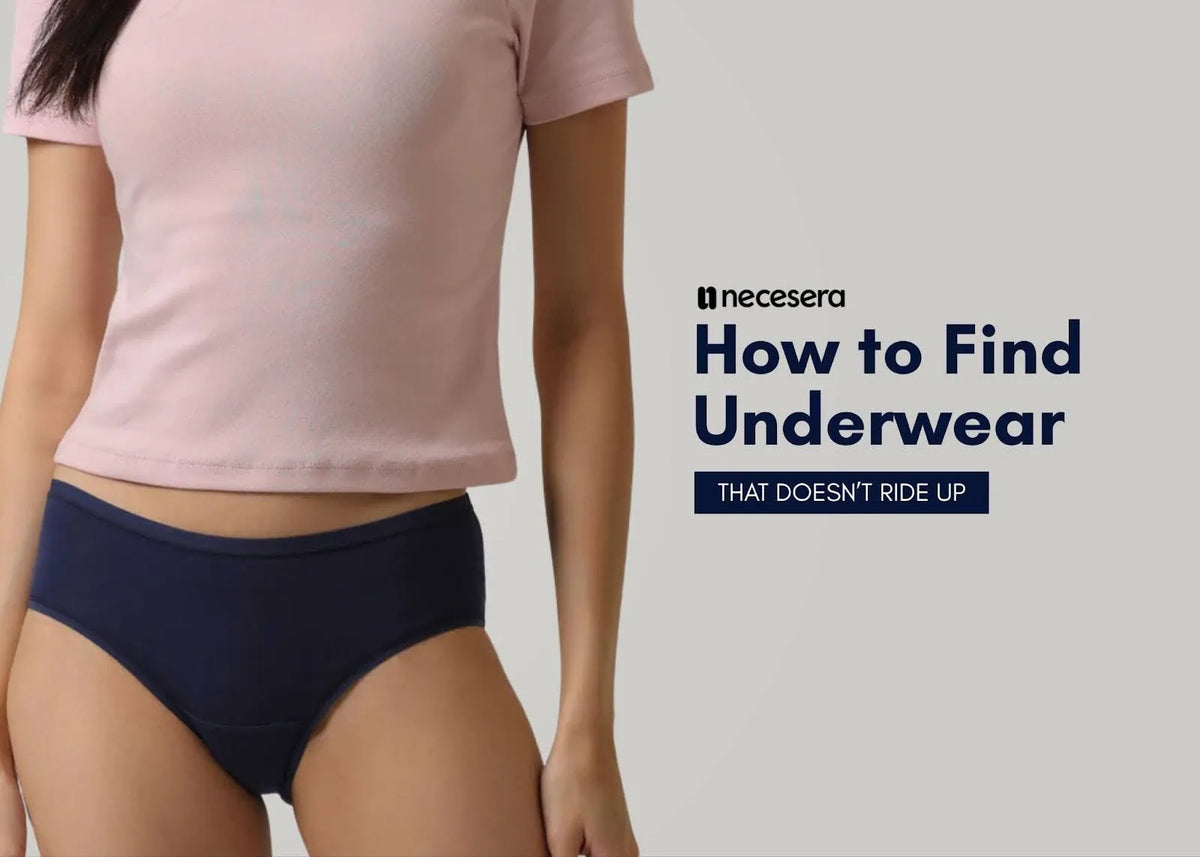
How to Find Underwear That Doesn’t Ride Up
Why Does Underwear Ride Up in the First Place?
Ever spent an entire workday subtly adjusting your underwear that doesn't ride up, except yours totally did? You're definitely not alone. The ride-up problem affects millions of women daily, turning what should be an invisible comfort into a constant distraction.
The culprit? Usually a combination of wrong sizing, poor fabric choice, and ill-suited styles for your body type. When underwear is too loose, it bunches and shifts with every movement. Too tight? The elastic fights against your body, pushing fabric upward throughout the day. Add in slippery fabrics or insufficient leg grip, and you've got the perfect storm for constant readjustment.
But here's the good news: once you understand what causes ride-up, finding the right pair becomes significantly easier. The difference between underwear that migrates north all day and a pair that stays exactly where you put it often comes down to just a few key factors.
What Makes Underwear Stay Put All Day?
Think about the last time you wore underwear and genuinely forgot you had them on. That's the gold standard we're aiming for: comfortable underwear fit that requires zero thought or adjustment once you're dressed.
No ride up panties share three non-negotiable characteristics: precision fit, strategic construction, and performance fabrics. The fit needs to be snug enough to move with your body but never restrictive. Construction elements like flat seams, reinforced leg openings, and wider waistbands prevent bunching and rolling. The fabric itself must have enough stretch to accommodate movement while maintaining shape recovery.
The Right Fit: Size and Style Matter More Than You Think
Here's something most people don't realize: underwear sizing isn't standardized across brands. A size medium in one brand might fit like a large in another. This inconsistency makes finding your perfect underwear fit guide crucial rather than optional.
Getting the Size Right:
- Too big creates bunching: Excess fabric has nowhere to go but up, causing constant ride-up and visible lines
- Too small pushes fabric upward: Tight elastic forces the fabric to shift and dig in uncomfortably
- Waistband positioning matters: The band should sit flat without digging in or rolling down
When trying new brands, order two adjacent sizes if possible. The difference between comfortable and constantly annoying often comes down to just one size increment. Pay special attention to leg openings; these should lie flat against your skin without cutting in or gaping.
Style Considerations for Your Body: Women with fuller hips often find that hipster or high-waisted styles stay put better than bikini cuts. Athletic builds may prefer briefs with slightly more coverage. The key is matching the style to your natural proportions rather than forcing your body into trendy cuts that don't work for your shape.
Fabric Choices That Actually Work
Walk into any lingerie section, and you'll see countless fabric options. But which ones actually prevent ride-up? The answer lies in understanding how different materials interact with your skin and clothing.
High-Performance Fabric Blends: Cotton blended with elastane (typically 5-10%) offers the perfect balance, natural breathability, plus enough stretch to move with you. Pure cotton, while comfortable for lounging, often lacks the grip needed to stay in place during active days. Microfiber blends (usually nylon/spandex combinations) provide superior smoothness under clothes and excellent shape retention.
Modal and Supima Cotton Combinations: Premium materials like modal blended with Supima cotton create an exceptionally soft hand-feel while maintaining structural integrity. NeceSera's Supima Modal Hipster uses this exact combination, offering silky smoothness that doesn't sacrifice staying power. The extra-long Supima cotton fibers resist pilling and maintain shape even after repeated washing.
Moisture-Wicking Properties: Fabrics that pull moisture away from skin reduce friction, one of the main causes of ride-up. Bamboo-derived fabrics and synthetic blends excel here, making them particularly good choices for active lifestyles or warm climates like India's summer months.
What to Avoid: Slippery satins and pure silk might feel luxurious, but they slide around constantly. Heavy lace without adequate stretch digs into skin, forcing fabric upward. Thick cotton jersey bunches easily under fitted clothing.
|
Fabric Type |
Ride-Up Prevention |
Best For |
Considerations |
|
Cotton-Elastane Blend |
High |
Everyday wear, sensitive skin |
Breathable, natural feel |
|
Microfiber (Nylon/Spandex) |
Very High |
Underfitted clothes, active days |
Smooth under leggings, quick-dry |
|
Modal-Supima Blend |
Very High |
All-day comfort, premium feel |
Soft drape, maintains shape |
|
Bamboo Terry |
High |
Loungewear, sleepwear |
Moisture-wicking, eco-friendly |
|
Pure Cotton |
Medium |
Sleeping, relaxed days |
Breathable but with less grip |
Construction Details You Shouldn't Ignore
The difference between underwear that stays put and underwear that constantly creeps up often lies in details you can't see at first glance.
- Flat Seams vs. Bulky Stitching: Flat-locked seams create minimal friction against both your skin and outer clothing. Bulky seams, especially around leg openings, catch on fabric and pull upward with movement. Run your fingers along the seams before buying; they should feel virtually undetectable.
- Leg Opening Design: The best no-ride-up panties feature strategic elastic placement or silicone grip strips along leg openings. These keep the fabric anchored without feeling restrictive. NeceSera's Glow Rouge Supima Modal Brief incorporates precisely calibrated leg openings that balance grip with comfort.
- Waistband Width and Placement: Wider waistbands (at least 1 inch) distribute pressure more evenly, preventing the rolling and sliding that narrower bands cause. The band should contain enough elastic to maintain gentle tension without digging in. Look for bands with multiple rows of stitching; this reinforcement prevents stretching out over time.
- Gusset Construction: A properly attached cotton gusset (the inner lining) should lie completely flat. Poorly sewn gussets create bulk that contributes to bunching. The gusset should extend fully from front to back waistband without stopping short.
Best Underwear Styles for a No-Ride-Up Experience
Not all underwear styles are created equal when it comes to staying in place. Your ideal style depends on your body type, activity level, and what you're wearing over them.
-
High-Waisted Styles: These offer maximum coverage and stay anchored by sitting at your natural waist. Particularly effective for women with longer torsos or those who find traditional cuts slide down throughout the day. They also eliminate the gap between bra and underwear, creating a streamlined silhouette.
-
Hipsters and Boy Briefs: With more fabric surface area to grip your body, these styles inherently resist ride-up better than skimpy cuts. The extended coverage around the hips and bottom means there's more contact with skin, reducing shifting. Necesera's Cozy Navy Hipster exemplifies this approach, providing full coverage without feeling bulky.
-
Full Briefs with Proper Leg Cut: Modern full briefs have evolved beyond the matronly styles of decades past. When cut correctly, following the natural curve of your leg rather than cutting straight across, they provide excellent ride-up resistance while remaining completely invisible under clothes.
-
Bikini Cuts (When Done Right): Bikinis can work if they have adequate elastic at the leg openings and enough rear coverage to stay anchored. Look for styles with at least 2-3 inches of coverage on the bottom.
-
What About Thongs? While thongs inherently involve some fabric between your cheeks, quality construction can minimize discomfort. The key is substantial enough fabric width (not dental floss-thin) and a comfortable waistband. However, for true ride-up prevention, styles with more coverage typically perform better.
Common Mistakes That Make Underwear Ride Up
Even with the right underwear, certain habits guarantee constant readjustment throughout your day.
- Mistake #1: Buying the Wrong Size Based on Vanity: Squeezing into a smaller size creates pressure that forces fabric upward. Your underwear size isn't visible to anyone else; comfort should win every time.
- Mistake #2: Ignoring Fabric Care Instructions: Throwing delicate fabrics in the dryer at high heat destroys elastic fibers, causing underwear to lose its shape and grip. Always air-dry your best pairs to extend their life and maintain fit.
- Mistake #3: Keeping Stretched-Out Pairs Too Long: That favorite pair from three years ago? It's lost its elastic memory. Underwear should be replaced every 6-12 months for optimal performance, depending on wear frequency.
- Mistake #4: Choosing Style Over Function for Everyday Wear: Save the decorative, less functional pieces for special occasions. Daily underwear should prioritize a comfortable fit over aesthetics.
- Mistake #5: Not Considering Your Outfit: Wearing seamless underwear under textured fabrics or vice versa creates friction that causes ride-up. Match smooth underwear with smooth clothing, and save textured pieces for looser garments.
How to Test If Your Underwear Will Stay Put
Before committing to a new style or brand, run through this quick underwear fit guide assessment:
- The Squat Test: Put on the underwear and do 5-10 deep squats. The fabric should move with you without hiking up or creating uncomfortable pressure points. If you immediately need to adjust after standing, there'll be a problem all day.
- The Sit Test: Sit down in a chair for 5 minutes while wearing the underwear. Stand up, did they shift? Did the waistband roll down? If so, size up or try a different style.
- The Walk Test: Walk around your room for several minutes, including going up and down stairs if possible. Quality underwear should stay exactly where you put it without any adjustment needed.
- The Mirror Check: Look at yourself from all angles in form-fitting pants. Are there visible lines? Does the fabric bunch anywhere? Can you see the leg elastic creating indents? Your eyes will catch issues before your body fully registers discomfort.
- The Forget-About-It Factor: After 30 minutes of wearing them, you should barely remember they're there. If you're still conscious of their presence, they're not the right pair for you.
Conclusion
Finding panties for women that doesn't ride up isn't about luck; it's about understanding what your body needs and choosing accordingly. The right combination of fit, fabric, and construction makes all the difference between constant frustration and all-day comfort.
Quality matters here. Investing in well-constructed underwear saves you money long-term, both in replacement costs and the mental energy spent adjusting ill-fitting pairs throughout your day.
Ready to upgrade your underwear drawer? Shop NeceSera's complete panties collection featuring Supima cotton and modal blends designed specifically to stay put while feeling incredibly soft against your skin. Because life's too short for uncomfortable underwear, find your happy place with pieces that work as hard as you do.
FAQs
Q1: What causes underwear to ride up constantly?
Underwear rides up primarily due to incorrect sizing, a lack of adequate elastic grip at leg openings, or fabrics without enough stretch. When underwear is too loose, excess fabric bunches and shifts. Too tight, and the elastic pushes the fabric upward. Slippery fabrics or worn-out elastic also contribute significantly to ride-up issues.
Q2: Which underwear style prevents ride-up best?
Hipsters, boy briefs, and high-waisted styles typically prevent ride-up better than bikini cuts or thongs. These styles offer more surface area contact with your body, providing better grip. The key is finding a style with proper leg opening construction and adequate coverage for your specific body shape.
Q3: Does fabric type affect whether underwear rides up?
Absolutely. Fabrics with 5-10% elastane or spandex blended with cotton or modal provide the stretch and recovery needed to prevent ride-up. Pure cotton lacks grip, while overly slippery fabrics like satin shift constantly. Microfiber blends and modal-cotton combinations offer the best balance of comfort and staying power.
Q4: How tight should underwear be to avoid riding up?
Underwear should feel snug but never restrictive; you shouldn't see any red marks or indentations after wearing them. The waistband should sit flat without rolling, and leg openings should lie smooth against skin without digging in or gaping. If you can easily pull the fabric away from your body by more than an inch, they're too loose.
Q5: How often should I replace my underwear to prevent ride-up?
Replace everyday underwear every 6-12 months, depending on wear frequency. Once elastic loses its memory, visible as stretched-out waistbands or loose leg openings, the underwear will start riding up regardless of initial quality. Proper care, like air-drying, extends lifespan, but all elastic eventually degrades with use and washing.