




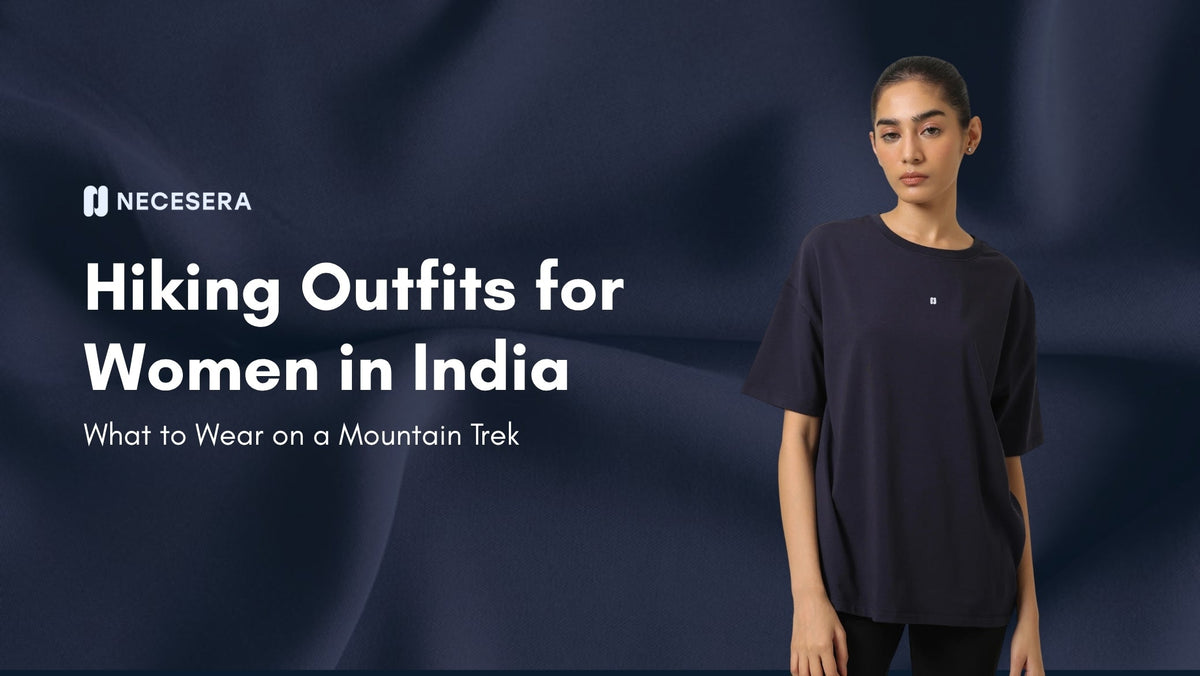
Hiking Outfits for Women in India: What to Wear on a Mountain Trek
The right outfit can make a trek feel effortless, and the wrong one turns every step into a battle with damp, clingy, or chafing clothes. On a mountain trail, what you wear is not about photos, though that is a bonus. It is about staying dry, warm, cool, and free to move as the terrain and weather shift around you. Get it right, and you forget your clothes and just enjoy the climb. This guide covers hiking outfits for women in India, the mountain trek clothing women actually need, from layering to fabric to the details that keep you comfortable.
Why Does Your Hiking Outfit Matter So Much?
On a trek, your clothes are working gear, not just an outfit. They manage sweat, guard against sun and scratches, and adjust to weather that changes fast in the mountains. The wrong fabric leaves you soggy and cold; the right one keeps you moving. Stretchy, breathable activewear is a solid base for lighter trails and warm-weather day treks, and smart layering handles the rest.
What Should You Wear for Trekking?
Knowing what to wear for trekking comes down to three layers and the right fabric for each. Build from the skin outward, and you will be ready for whatever the trail brings.
Start With a Breathable Base Layer
- Your base layer sits against the skin, so it needs to move sweat away and dry fast.
- For long or strenuous treks, moisture-wicking fabrics work best.
- For lighter day hikes in warm weather, a breathable, stretchy top from a soft gym capsule that moves with you does the job.
Add a Mid Layer for Warmth
- When the temperature drops, a mid layer traps warmth.
- A soft sweatshirt or light fleece works well, and it is easy to tie around your waist once you warm up on the climb.
Finish With an Outer Layer
- The outer layer handles wind and rain.
- A light, water-resistant jacket or windcheater you can fold into your backpack is worth its weight, especially in the monsoon or at higher altitudes.
What Bottoms Work Best on the Trail?
Your bottoms need to move as much as you do, over rocks, up steep sections, and across uneven ground. Comfort and stretch matter most here. Full-length options also protect your legs.
- Stretchy leggings or track pants give full sun and scratch protection
- A flexible pair of bottoms with a comfortable waistband stays put through movement
- Quick-drying fabric beats heavy material that stays damp
- Shorts work for hot, easy trails, though full-length covers more
Full-length leggings are the popular pick for Indian trails, since they guard against sun, scratches, and insect bites while still letting you move freely.
Which Is the Best Fabric for Hiking Women?
The best fabric for hiking women is breathable, quick-drying, and stretchy, so it manages sweat and moves with you. This is where hiking fabric advice gets specific, because the wrong choice really does slow you down.
| Fabric | On the Trail |
| Polyester and nylon | Wick sweat, dry fast, durable for tough treks |
| Merino wool | Warm, breathable, manages odour on long hikes |
| Cotton lycra | Stretchy and breathable, good for lighter day hikes |
| Pure cotton | Absorbs sweat and stays wet, best avoided on sweaty treks |
For serious, sweaty, or wet treks, quick-drying synthetics or merino win. For lighter, warm-weather trails, breathable stretchy activewear keeps you comfortable and free to move.
What Are Some Easy Trekking Outfit Ideas?
These trekking outfit ideas balance comfort and function for different trail days. Mix them to suit your hike and the weather.
- Warm-weather day hike: breathable tank or tee with stretchy leggings
- Cooler climb: base layer, a tank top or tee, plus a sweatshirt mid layer
- Monsoon trail: quick-dry base, water-resistant outer layer, sturdy boots
- Long trek: moisture-wicking base, track pants, packable jacket
- Easy nature walk: comfy activewear and clean trainers, sorted
Whatever the mix, keep it layered so you can add or remove as the day heats up and cools down.
What Small Details Make a Big Difference?
The little things often decide how a trek feels by the end. Keep these in mind as you pack:
- Flat seams to prevent chafing on long walks
- A sports bra with good support for the movement
- Moisture-wicking socks to help prevent blisters
- Sturdy shoes with grip, the one thing you should never skimp on
- A cap, sunglasses, and sunscreen for sun protection
Support and comfort layers matter as much as the outerwear, so pack them first, not last.
Dress for the Trail, Enjoy the Climb
So, what should you wear on a mountain trek? Build in layers, lead with breathable, quick-drying fabric, choose full-length bottoms that move with you, and never compromise on your shoes. Match the outfit to the trail and the weather, and your clothes stop being a distraction and start being an ally. The best trekking outfit is the one you forget you are wearing while you take in the view.
Every trek is easier when your base layer is not fighting you, and that is exactly where NeceSera fits in. For your day hikes and warm-weather trails, the women's collection has soft, breathable, stretchy activewear and easy layers that move with you up the climb, then pack down small when the sun comes out. Pair them with proper trail shoes and a good jacket, and your outfit becomes one less thing to think about on the mountain.
FAQs
1. What should women wear for trekking?
Dress in layers so you can adjust as the weather shifts. Start with a moisture-wicking base layer, add a warm mid layer like a light fleece or sweatshirt, and finish with a water-resistant outer layer you can pack away. Add full-length bottoms for sun and scratch protection, plus sturdy hiking shoes with good grip.
2. Can women wear leggings for hiking?
Yes, and many women prefer them. Stretchy leggings move freely on steep or uneven ground and protect your legs from sun, scratches, and insect bites, which matters on overgrown Indian trails. Just choose a breathable, quick-drying pair rather than heavy fabric that stays damp with sweat.
3. Which fabric is best for hiking clothes for women?
For tough, sweaty, or wet treks, quick-drying and moisture-wicking fabrics like polyester, nylon, or merino wool work best, since they pull sweat away and dry fast. For lighter, warm-weather day hikes, a breathable, stretchy fabric keeps you comfortable and free to move. Whatever you pick, prioritise fabric that dries quickly over anything that holds water.
4. Is cotton good for trekking?
Pure cotton is best avoided on sweaty or wet treks. It absorbs moisture and stays wet for a long time, which adds weight, chills you when the temperature drops, and can cause chafing over long distances. For easy, short, warm-weather walks it is fine, but quick-drying fabrics are far more comfortable on a real climb.
5. What should I wear for a monsoon trek?
Go for a quick-dry base layer, a proper water-resistant jacket, and sturdy, grippy shoes that handle mud without getting clunky. Skip heavy, slow-drying fabrics, since anything that soaks through will stay wet all day. Always pack a rain cover for your backpack, because mountain weather can turn without warning.
6. Can I wear shorts for hiking?
Yes, on hot, easy, well-marked trails where sun and scratches are less of a worry. That said, full-length leggings or track pants protect better against harsh sun, thorny brush, and insect bites, so many women prefer them on rougher or overgrown ground. Convertible pants that zip off into shorts give you the best of both.